
Back to Babylon
Back to Babylon is Suzan Raad’s book about where our food came from, long before packets and labels. It looks back at how people ate in the ancient world — in Babylon and the early civilisations of the Fertile Crescent — and asks what those older ways of eating can teach a body built by the same biology today.
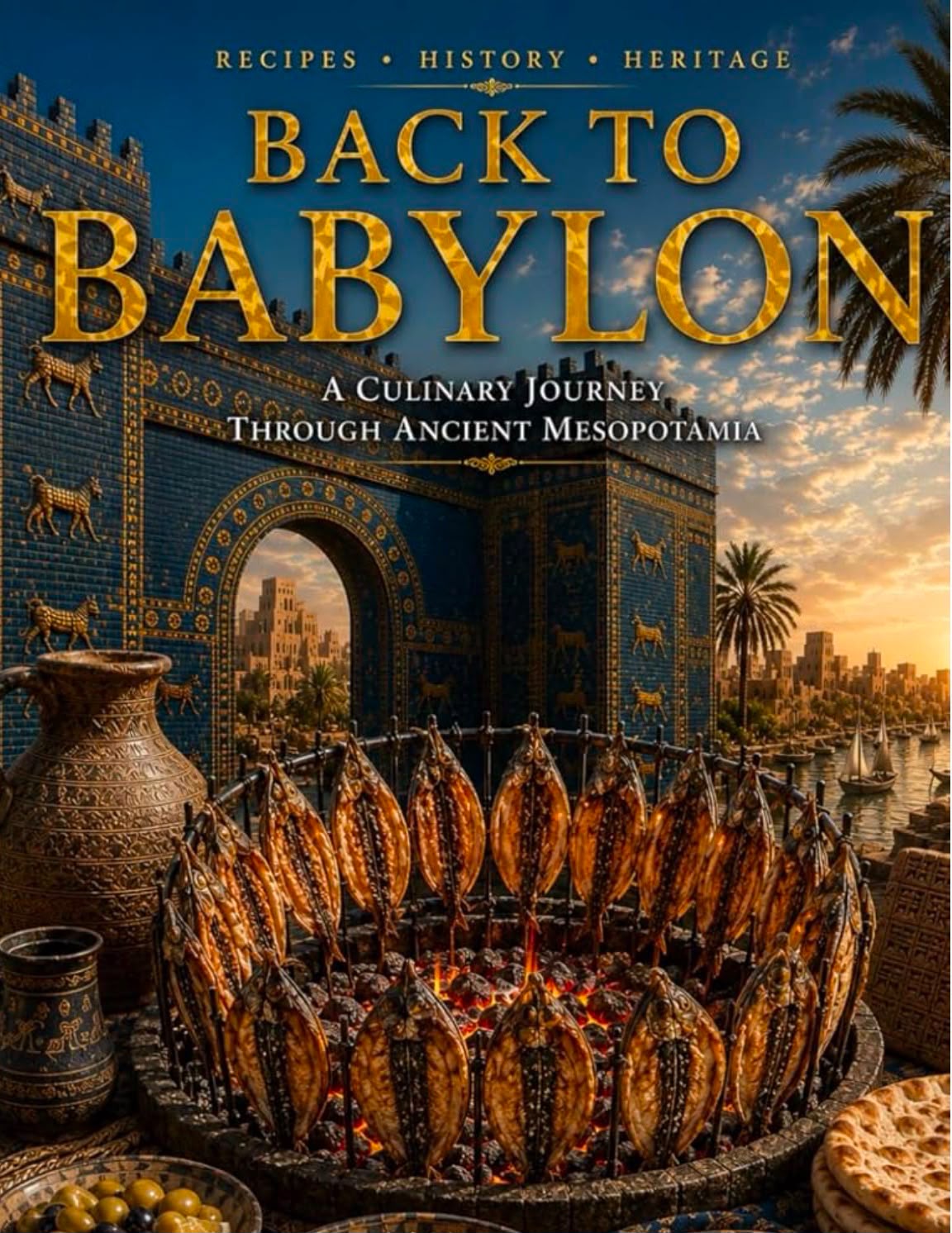
The oldest diet is the most modern idea
We treat healthy eating as a modern discovery, but Back to Babylon argues the opposite: that the way humans ate for thousands of years already fitted the way our genes work. Whole grains, pulses, herbs, fermented foods, seasonal produce and simple preparation were not a trend. They were survival, and they shaped the biology you have inherited. Understanding that history makes today’s food choices feel less like fashion and more like coming home.
Food as heritage
Back to Babylon treats food as heritage as much as fuel. Every cuisine carries the memory of a place and a people, and many traditional diets quietly solved problems that modern eating has reopened — how to preserve, how to combine, how to eat with the seasons. The book draws out those lessons, not as nostalgia, but as practical wisdom that still holds up against what we now understand about gene expression and health.
Why the past still speaks to your genes
Your DNA has barely changed since those early kitchens, even as the food around it has changed beyond recognition. That mismatch is at the heart of Back to Babylon. When you eat closer to the patterns your body evolved with, you send it signals it recognises — and this is where ancient eating meets the modern science of epigenetics, the study of how those signals switch genes on and off.
Who the book is for
Back to Babylon is for readers who love the story behind their food as much as the plate itself — anyone curious about history, culture and nutrition, and how the three are woven together. You do not need to know ancient history or science to enjoy it; the book carries you through both with a light, human touch and a clear thread running from the past to your own table.
Part of a bigger picture
Back to Babylon sits alongside Suzan Raad’s other books. Epigenix explains the science of gene expression, Epigenetic Awakening looks at the role of the mind, and the Epigenetic Diet brings it into the everyday kitchen. Back to Babylon is the one that looks backwards to move you forwards, tracing the roots of how people used to eat.
If you have ever suspected that the answers to modern health were quietly worked out long ago, Back to Babylon is written for you — a journey through the world’s oldest kitchens that ends, surprisingly, with a clearer sense of what to cook tonight.
Readers who enjoy Back to Babylon often go on to the companion Back to Babylon Cookbook, which turns this history of ancient eating into practical, everyday recipes for a modern kitchen.